2026 Best Oral Rehabilitation Solutions for Global Buyers

Global demand for oral rehabilitation is growing alongside a serious unmet oral-health burden. The World Health Organization’s Global Oral Health Status Report 2022 estimates that nearly 3.5 billion people live with oral diseases worldwide. Untreated caries affects about 2.5 billion people in permanent teeth. Periodontal disease, tooth loss, and oral function problems also limit nutrition, speech, confidence, and employment.

For global buyers, “best” should mean clinically appropriate, traceable, and practical to maintain. A reliable solution may combine digital diagnosis, guided implant workflows, durable restorative materials, removable prostheses, and structured follow-up care. The FDI World Dental Federation’s Vision 2030 emphasizes prevention, equity, integration, and patient-centered oral healthcare. These priorities matter when comparing suppliers across different income levels, clinical systems, and regulatory environments.

Small details reveal product quality. A clear lot number, stable packaging, readable instructions, and compatible scanning files can prevent costly delays. Buyers should review peer-reviewed evidence, material safety data, sterilization requirements, warranty terms, and post-market support. ISO-aligned quality systems can strengthen confidence, but certification alone does not guarantee clinical success.

No product is universally best. That assumption needs challenging. Patient bone volume, systemic health, operator training, laboratory capability, and local approval pathways all influence outcomes. This guide evaluates 2026 oral rehabilitation solutions through those practical conditions, not marketing claims alone. It also considers workflow efficiency, long-term maintenance, biological safety, and total treatment value. Evidence is important. So is experience at the chairside.

2026 Best Oral Rehabilitation Solutions for Global Buyers

What Oral Rehabilitation Solutions Include in 2026

What Oral Rehabilitation Solutions Include in 2026

Oral rehabilitation solutions now cover more than crowns or implants. They combine diagnosis, disease control, restorative care, prosthodontics, and long-term maintenance. The WHO Global Oral Health Status Report estimates that 3.5 billion people live with oral diseases. Untreated dental caries affects about 2.5 billion people worldwide. These figures make complete care planning essential for global buyers.

A practical solution may include digital imaging, intraoral scanning, guided treatment planning, durable restorative materials, and removable or fixed prostheses. It should also include clinician training, sterilization protocols, technical support, and follow-up schedules. The FDI World Dental Federation’s Vision 2030 stresses prevention, integration, and accessible care. That means buyers should assess the whole workflow, not only product specifications. Digital systems can improve communication and fit. They can also create training gaps. This part is often underestimated.

Tips: Request clinical evidence, material certifications, service terms, and user training records. Compare total treatment costs, not purchase prices alone. Check compatibility with existing equipment. Ask how repairs are handled in remote regions. A pilot case may reveal workflow problems before a larger order. Do not assume every “digital” solution is automatically better. Human judgment still matters. WHO reports and peer-reviewed evidence should guide purchasing decisions, while local regulations must be verified independently.

2026 Best Oral Rehabilitation Solutions for Global Buyers

What Oral Rehabilitation Solutions Include in 2026

The chart highlights major global oral-health needs that guide oral rehabilitation planning in 2026: restorative care for untreated permanent-tooth caries, periodontal therapy for severe periodontal disease, and pediatric restorative or preventive care for untreated primary-tooth caries. These figures represent reported disease burdens rather than market shares, and some patient groups may overlap.

Source: World Health Organization, Oral Health Fact Sheet.

How Global Buyers Assess Oral Health Needs

2026 Best Oral Rehabilitation Solutions for Global Buyers

How Global Buyers Assess Oral Health Needs

Global buyers assess oral rehabilitation needs through clinical evidence, local data, and practical experience. They review caries rates, tooth loss patterns, gum health, age groups, and common dietary habits. They also examine access to imaging, trained clinicians, sterilization systems, and long-term maintenance services.

Small details matter. A rural clinic may need durable equipment, simple workflows, and low-maintenance materials. An urban hospital may require advanced diagnostics and treatment planning. Buyers compare clinical outcomes, product documentation, training support, warranty terms, and regulatory compliance in each target market. They should also ask whether a solution suits local budgets and patient expectations.

A checklist can miss real treatment conditions. A solution that performs well in one country may require adjustment elsewhere. Climate, supply delays, language barriers, and follow-up capacity can change results. No assessment is perfect on paper. Experienced buyers often consult dentists, technicians, patients, and public health teams before making decisions. They may test a limited clinical program, review patient feedback, and monitor repair needs over several months. This slower approach can reveal weaknesses that sales materials rarely show.

Which Technologies Shape Modern Oral Rehabilitation

Modern oral rehabilitation is being reshaped by connected digital technologies. Intraoral scanners capture detailed surfaces without traditional impression materials. CAD/CAM workflows then convert these files into crowns, bridges, and surgical guides. Cone-beam computed tomography adds three-dimensional bone information, supporting safer implant planning.

The need is substantial. The World Health Organization’s Global Oral Health Status Report 2022 estimates that oral diseases affect nearly 3.5 billion people worldwide. Untreated dental caries remains widespread, so rehabilitation must be accurate, accessible, and repairable. Three-dimensional printing can shorten laboratory steps and support customized temporary restorations. Artificial intelligence may improve image analysis, but it still requires trained clinical review.

Technology is not automatically better. Poor scanning, weak data security, or unsuitable materials can compromise treatment. Procurement teams should evaluate clinical evidence, operator training, maintenance, and local regulatory requirements. A lower purchase price may hide higher service costs.

Tips: Ask for validated accuracy data, not promotional claims. Check compatibility with existing imaging and laboratory systems. Request documented sterilization procedures. Review the full treatment workflow with clinicians before signing. Small pilot projects often reveal practical problems that brochures miss. Some digital workflows remain expensive in rural settings, and that limitation deserves honest discussion.

How to Compare Materials, Devices, and Treatment Systems

For global buyers, oral rehabilitation decisions should begin with the treatment pathway, not a product catalogue. Compare materials by strength, wear behavior, tissue compatibility, appearance, and repairability. A ceramic restoration may offer lifelike translucency, while a reinforced polymer can simplify adjustments. Neither is universally superior. Ask for independent test data, technical specifications, and documented clinical use. Small details matter: a shade guide under neutral lighting, a batch number, and clear storage instructions.

Devices require a different review. Check measurement accuracy, software compatibility, sterilization requirements, battery performance, and service response times. Request training records and feedback from clinics with similar patient volumes. A scanner that performs well in a quiet laboratory may struggle with saliva, limited opening, or reflective surfaces. Test it in realistic conditions. That exposes weaknesses early. Confirm cybersecurity controls and data-handling duties when patient records cross borders. Evidence should come from recognized regulatory pathways and current clinical guidance, not sales language.

Treatment systems must be judged as connected workflows. Examine consultation, planning, fabrication, fitting, follow-up, and maintenance. Calculate the full cost, including consumables, calibration, shipping, replacement parts, and staff time. Ask whether local technicians can support repairs. A cheaper system may become expensive after one delayed component. In practice, comparisons often focus too heavily on purchase price. That is a mistake. Still, no checklist replaces clinician judgment. Patient anatomy, medical history, expectations, and follow-up access can change the safest choice. Document assumptions, compare two or three scenarios, and let qualified professionals review the final decision.

How International Buyers Plan Procurement and Clinical Implementation

International buyers planning oral rehabilitation procurement in 2026 need more than a product list. They need a clinical pathway, local evidence, and a realistic service plan. Begin with patient profiles: tooth loss patterns, bone conditions, diabetes prevalence, and expected appointment attendance. Then map each case to a suitable option, such as fixed, removable, or implant-supported rehabilitation. Use peer-reviewed evidence and local clinical guidelines when defining performance targets. Keep clinical outcomes ahead of purchase volume. That sounds obvious. It is often missed.

A reliable tender file should include material composition, traceability records, conformity documents, shelf-life data, and instructions for use. Ask how products are stored during humid sea transport. Check packaging after arrival. A crushed carton can interrupt surgery. Procurement teams should compare total cost, not only unit price. Include instruments, consumables, calibration, training, replacement parts, and technical response times. Local registration rules differ. Verify them before signing contracts. One forecast may still be wrong. Build a small pilot order, review fit, workflow time, remakes, and patient feedback, then adjust quantities.

Clinical implementation works best when dentists, prosthodontists, dental technicians, nurses, and purchasing staff share one checklist. Training should use realistic models and cover patient selection, digital scanning, impression control, occlusal checks, infection prevention, and follow-up documentation. A clinic may need new storage labels or extra chairside time. Measure these details. They affect adoption. Review complications without hiding them. A failed temporary restoration can reveal a weak handoff, not merely a product problem. Use monthly case reviews and documented corrective actions.

2026 Best Oral Rehabilitation Solutions for Global Buyers - How International Buyers Plan Procurement and Clinical Implementation

Oral Rehabilitation Solution Primary Clinical Indication Common Materials Typical Clinical Workflow Procurement Planning Factors Typical Implementation Lead Time Required Documentation and Compliance Key Clinical and Supply-Chain Metrics
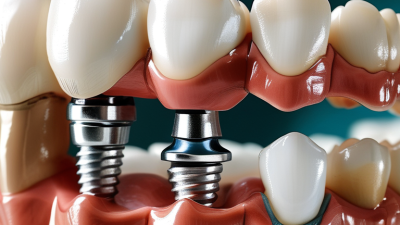
Implant-Supported Single Crowns Replacement of a single missing tooth when sufficient bone volume and appropriate periodontal health are present. Titanium implant components Zirconia or ceramic crown Dental resin or cement Diagnosis and imaging; treatment planning; implant placement; osseointegration; impression or intraoral scan; abutment and crown delivery; occlusal and hygiene review. Compatibility between implant components; surgical kit availability; restorative workflow; sterile packaging; training requirements; local implant regulations; inventory of different diameters and lengths. Approximately 3–9 months from surgery to definitive restoration, depending on healing, bone augmentation, and clinical protocol. Device technical file; instructions for use; sterilization information; traceability records; biocompatibility assessment; risk-management documentation; quality-system evidence such as ISO 13485 where applicable. Implant survival; restoration complications; remakes; inventory accuracy; component traceability; average treatment completion time; patient-reported satisfaction.
Implant-Supported Fixed Bridges Replacement of several adjacent missing teeth when a fixed, non-removable rehabilitation is clinically appropriate. Titanium or cobalt-chromium framework Zirconia or veneering ceramic Prosthetic screws Diagnostic work-up; implant placement; healing; digital or conventional impression; framework try-in; occlusal verification; final insertion; maintenance planning. Number and distribution of implants; passive fit requirements; digital design capability; laboratory capacity; screw and prosthetic component compatibility; repair and replacement policy. Approximately 4–12 months, influenced by bone grafting, staged surgery, and laboratory design complexity. Material certificates; design records; patient-specific device documentation where required; cleaning and maintenance instructions; lot and serial traceability; post-market surveillance process. Framework fit; screw loosening; ceramic fracture rate; remake rate; delivery accuracy; maintenance visits; average laboratory turnaround time.
Full-Arch Implant Rehabilitation Rehabilitation of an edentulous or severely compromised arch using multiple implants and a fixed or removable prosthesis. Titanium framework High-strength polymer teeth Acrylic or composite resin Ceramic options Comprehensive examination; imaging; surgical planning; implant placement; provisional prosthesis; healing and verification; definitive prosthesis; maintenance and recall. Surgeon-restorative team coordination; digital planning; immediate provisional capability; backup components; repair service; patient selection; maintenance infrastructure. Approximately 4–18 months, depending on immediate loading, grafting, healing, and definitive prosthesis design. Risk-management file; material safety data; cleaning instructions; surgical and prosthetic protocols; adverse-event reporting pathway; sterilization validation for reusable instruments. Prosthesis fracture; implant complications; time to provisional loading; definitive delivery time; adjustment visits; hygiene outcomes; unplanned repairs.
Single and Multiple Tooth-Ceramic Restorations Restoration of damaged, decayed, or aesthetically compromised teeth when sufficient remaining tooth structure is available. Lithium disilicate Zirconia Resin-based composite Dental cement Tooth preparation; digital scan or impression; shade selection; temporary restoration; laboratory fabrication or milling; try-in; bonding or cementation; occlusal adjustment. Material indications; milling or laboratory capacity; shade communication; bonding protocol; shelf life; storage conditions; remake and technical-support procedures. Approximately 1–3 weeks for conventional laboratory workflows; same-day delivery may be possible where validated digital equipment and trained personnel are available. Material composition; instructions for use; bonding and cementation protocol; lot traceability; biocompatibility data; cleaning and storage requirements. Marginal fit; fracture or chipping; postoperative sensitivity; remake rate; laboratory turnaround; shade-match acceptance; cementation complications.
Removable Complete Dentures Replacement of all teeth in an edentulous arch when a removable solution is clinically and financially appropriate. Acrylic resin base Prefabricated denture teeth Metal reinforcement when indicated Primary impression; preliminary cast; custom tray; final impression; jaw-relation records; tooth arrangement; try-in; processing; insertion; pressure-spot adjustment; follow-up. Availability of impression materials and teeth; laboratory skills; patient expectations; repair and relining capability; shipping protection; fit-adjustment capacity. Approximately 3–8 weeks, commonly requiring several clinical and laboratory appointments. Material safety information; processing instructions; cleaning guidance; patient-use instructions; traceability of denture base and tooth materials; complaint-handling process. Retention and stability; sore-spot adjustments; remake rate; fracture and repair frequency; patient adaptation; appointment count; laboratory turnaround time.
Removable Partial Dentures Replacement of multiple missing teeth while preserving and using suitable remaining teeth for support and retention. Cobalt-chromium framework Acrylic resin Denture teeth Polymer clasps where indicated Survey and design; mouth preparation; impressions or scans; framework try-in; jaw-relation record; tooth try-in; insertion; adjustment; periodic maintenance. Accurate surveying and design; framework manufacturing; clasp and attachment options; compatibility with existing restorations; repair and reline service; clinician training. Approximately 4–10 weeks, depending on framework complexity and the number of try-in stages. Alloy composition; biocompatibility information; manufacturing records; design approval; cleaning instructions; traceability; applicable medical-device labeling requirements. Framework fit; clasp adjustment frequency; fracture rate; abutment-tooth health; patient comfort; remake rate; delivery cycle time.
Endodontic and Post-Restorative Rehabilitation Restoration of structurally compromised teeth following root-canal treatment or extensive coronal tissue loss. Fiber-reinforced posts Resin cement Core composite Ceramic or metal crown Endodontic assessment; post-space preparation when indicated; post and core placement; provisional coverage; definitive crown or onlay; occlusal and periodontal review. Isolation equipment; adhesive-system compatibility; radiopacity; post sizes; moisture-control protocol; clinician training; stock rotation and expiry monitoring. Approximately 1–6 weeks after endodontic treatment, depending on symptoms, healing assessment, and restorative complexity. Instructions for use; material composition; curing requirements; radiographic information; biocompatibility documentation; lot traceability; storage and expiry controls. Fracture or debonding; endodontic retreatment; postoperative symptoms; crown or onlay remake rate; marginal integrity; treatment completion time.
Occlusal Splints and Protective Appliances Management of selected parafunctional, occlusal, or temporomandibular-joint-related conditions under appropriate clinical diagnosis. Thermoplastic polymer Acrylic resin Digitally manufactured resin Clinical assessment; occlusal record or scan; appliance design; fabrication; insertion; occlusal adjustment; scheduled review and replacement assessment. Material durability; fit accuracy; cleaning instructions; digital design capability; adjustment time; replacement frequency; patient adherence. Approximately 1–3 weeks for laboratory production; shorter timelines may be possible with validated in-house digital workflows. Material safety data; fabrication instructions; cleaning and storage guidance; patient-use limitations; traceability; risk assessment for intended use. Fit and retention; comfort; wear pattern; fracture rate; adjustment visits; patient compliance; replacement interval.
Digital Impression and CAD/CAM Workflow Digital acquisition, design, and production support for crowns, bridges, implant restorations, dentures, and selected appliances. Optical scanning systems Dental CAD software Milling or additive materials Validated resins Patient scanning; data verification; digital design; approval; manufacturing; finishing; quality inspection; clinical try-in; final delivery. Data interoperability; cybersecurity; staff training; calibration; software licensing; backup procedures; file ownership; maintenance and service coverage. Approximately 1 day to 3 weeks, depending on in-house production, outsourcing, case complexity, and quality-control requirements. Software validation records; cybersecurity controls; equipment calibration; material instructions; data-protection procedures; maintenance records; applicable quality-system documentation. Scan accuracy; remakes; design-to-delivery time; equipment uptime; file rejection rate; marginal-fit results; cost per completed case.
Preventive and Maintenance Support for Rehabilitated Patients Long-term preservation of implant, fixed, and removable oral rehabilitations through professional recall and patient self-care. Interdental cleaning aids Professional polishing materials Maintenance instruments Patient-care products Baseline records; individualized hygiene instruction; periodontal and peri-implant assessment; professional cleaning; prosthesis inspection; recall adjustment; repair or replacement referral. Recall capacity; trained hygienists; compatible maintenance instruments; patient education materials; spare components; referral network; multilingual instructions. Initial review commonly within 1–3 months after delivery, followed by risk-based recalls, often every 3–12 months. Cleaning instructions; maintenance protocols; instrument-processing records; adverse-event reporting; patient information; documentation of clinical findings and interventions. Recall attendance; peri-implant inflammation; caries and periodontal indicators; prosthesis repairs; patient-reported comfort; long-term retention and survival.

Planning note: Lead times and performance indicators are general clinical-planning ranges. Actual requirements depend on patient condition, local regulations, treatment protocols, laboratory capacity, import procedures, and the competence of the clinical team.