How to Choose the Best Cosmetic Dentistry Services?

Choosing the right cosmetic dentistry service involves more than selecting the brightest smile in an advertisement. It requires careful judgment, clinical evidence, and realistic expectations. Cosmetic dentistry can improve tooth color, shape, alignment, and balance, but every treatment has limits.

Dr. Irwin Smigel, widely recognized as a pioneer in cosmetic dentistry, said, “If you can change your smile, you can change your life.” His words reflect the emotional value of a confident smile. However, confidence should never replace professional evaluation. A qualified dentist should examine your gums, bite, enamel, and existing restorations before recommending veneers, whitening, bonding, or orthodontic options.

Look for verifiable credentials, documented experience, and clear treatment explanations. Review before-and-after photographs carefully. Ask whether the images represent cases similar to yours. A trustworthy practice should explain materials, expected longevity, maintenance, risks, and total costs without pressure. It should also discuss conservative alternatives when appropriate.

The clinic environment matters too. Notice whether staff explain procedures clearly and follow strict hygiene practices. Ask who will perform each stage of treatment. You deserve precise answers.

Still, no dentist can promise perfection. Results vary because biology, habits, and home care differ. I would question any provider who guarantees a permanent Hollywood smile. The best choice may not be the most expensive one. It should be the safest, most suitable, and most transparently planned option for your oral health. Taking time to compare consultations can prevent rushed decisions and costly revisions later.
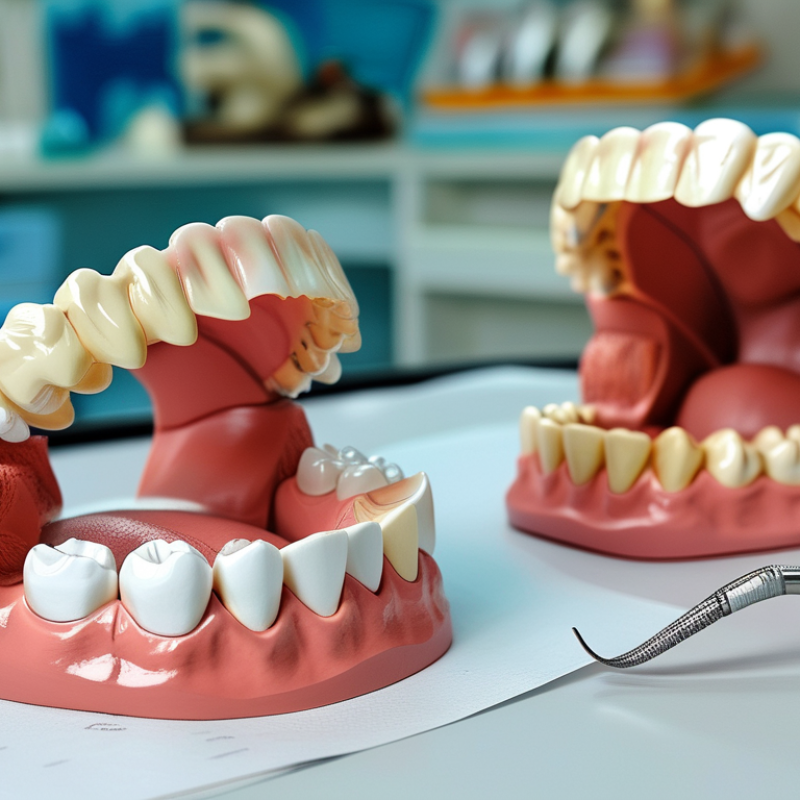
How to Choose the Best Cosmetic Dentistry Services?

Understanding Cosmetic Dentistry Services and Treatment Goals

Choosing the best cosmetic dentistry service begins with understanding your treatment goals. A brighter smile, a balanced gum line, or a repaired chipped tooth may require very different care. Be specific about what bothers you. Bring a clear photo of your natural smile, if helpful.

During consultation, a qualified dentist should examine your teeth, gums, bite, and existing restorations. Cosmetic treatment is not only about appearance. Tooth sensitivity, enamel wear, jaw tension, and gum inflammation can change the recommended plan. Whitening may suit surface stains, while bonding can reshape a small chip. Veneers may address broader changes, but they usually require careful enamel assessment.

Ask how long results may last and what maintenance involves. Request a written explanation of risks, alternatives, and expected costs. A reliable provider should explain limitations without promising perfection. That matters. Healthy function comes first.

Digital previews can help you imagine the result, but they are not guarantees. Lighting, facial movement, and healing may alter the final appearance. Some patients focus on achieving very white teeth and later find the shade looks unnatural. That possibility deserves an honest conversation. Treatment should fit your face, dental health, budget, and comfort level, not just a popular image. Take time to compare professional qualifications and aftercare support before choosing.


Assessing Qualifications, Experience, and Clinical Standards

Choosing cosmetic dentistry should begin with qualifications, not photographs. Verify the dentist’s registration with the relevant professional regulator. Check postgraduate training in restorative or aesthetic dentistry. A polished website proves little. The World Health Organization’s Global Oral Health Status Report (2022) estimates that nearly 3.5 billion people live with oral diseases. Cosmetic treatment still depends on healthy gums, teeth, and supporting bone.

Experience should be measurable. Ask how often the dentist performs your proposed procedure. Request anonymized before-and-after cases with similar tooth shape, bite, and gum conditions. Discuss longevity, repairs, sensitivity, and maintenance. The CDC’s National Health and Nutrition Examination Survey, 2017–2018, found untreated cavities in 25.9% of U.S. adults aged 20–64. That figure is not cosmetic-specific, but it exposes a common weakness: appearance may be prioritized before disease control.

Clinical standards deserve close attention. A careful consultation includes photographs, medical history, bite assessment, and a written treatment plan. X-rays should be justified, not routine decoration. Ask about sterilization, material traceability, consent procedures, and emergency arrangements. The General Dental Council’s Standards for the Dental Team require patient-centered care, clear communication, and valid consent. Do not feel rushed. I would also question dramatic promises, because even excellent dentistry has limits. One consultation can reveal uncertainty. That is useful.

How to Choose the Best Cosmetic Dentistry Services?

Global oral-health figures highlight why qualifications, clinical experience, diagnosis, and evidence-based standards should be assessed before cosmetic treatment.

The conditions shown are not mutually exclusive. When comparing cosmetic dentistry providers, review professional credentials, relevant treatment experience, diagnostic procedures, infection-control protocols, informed consent, and the use of evidence-based clinical standards.

Source: World Health Organization, “Oral health,” 2024. Estimates refer to people affected worldwide.

Comparing Procedures, Technologies, and Personalized Treatment Plans

Choosing cosmetic dentistry requires more than comparing photographs or prices. The right plan begins with healthy gums, stable teeth, and a clear understanding of your goals. The World Health Organization’s Global Oral Health Status Report 2022 estimates that nearly 3.5 billion people live with oral diseases. Appearance should not hide untreated problems.

Compare procedures by purpose and durability. Whitening can brighten natural enamel, while bonding reshapes small chips with limited tooth removal. Veneers may change color and shape, but they usually require irreversible preparation. Orthodontic treatment addresses alignment rather than simply masking it. Ask how each option affects enamel, bite, maintenance, and future repairs. The CDC’s National Health and Nutrition Examination Survey found that 26% of adults aged 20–64 had untreated cavities during 2015–2018. A cosmetic consultation should include a cavity and gum assessment.

Technology can improve planning, but it cannot replace clinical judgment. Intraoral scans create detailed digital models, while photographs and mock-ups help test proportions before treatment. Three-dimensional imaging should be justified by the diagnostic need. The American Dental Association recommends using dental radiography selectively, based on patient history and examination. A personalized plan should reflect enamel thickness, tooth sensitivity, bite pressure, gum levels, medical history, and budget. A digital preview can look convincing. It is not a promise. Ask who reviews the scans, what happens if the result differs, and how repairs are handled. Some plans still need adjustment. That is normal, and worth discussing openly.

How to Choose the Best Cosmetic Dentistry Services? Comparing Procedures, Technologies, and Personalized Treatment Plans

Procedure Primary Cosmetic Goal Typical Treatment Time Expected Longevity Common Technologies Best Candidates Important Selection Considerations
Professional Teeth Whitening Lighten natural tooth color and reduce surface or internal staining. Usually one clinical appointment of approximately 60–90 minutes; take-home plans may require 1–2 weeks. Approximately 6–24 months, depending on diet, tobacco exposure, oral hygiene, and maintenance. In-office peroxide-based systems, custom trays, shade guides, and sensitivity-control protocols. Adults with healthy teeth and gums who want a conservative color improvement. It does not change the color of crowns, veneers, fillings, or other restorations. A dental examination is advisable before treatment.
Composite Bonding Repair small chips, close minor gaps, and improve tooth shape or color. Often completed in one visit, with roughly 30–90 minutes per tooth depending on complexity. Commonly 3–10 years with proper care; repairs may be needed sooner on teeth exposed to heavy biting forces. Tooth-colored resin, shade matching, magnification, and layered sculpting and polishing. Patients needing modest cosmetic changes without extensive removal of tooth structure. It is generally more conservative than veneers, but resin can stain or chip and may require periodic polishing or replacement.
Porcelain Veneers Improve persistent discoloration, tooth shape, minor spacing, and selected alignment concerns. Usually 2–3 appointments over approximately 2–4 weeks, including planning, preparation, and placement. Often 10–15 years or longer when properly maintained; replacement may eventually be required. Digital smile planning, intraoral scanning, photographic records, mock-ups, and laboratory-fabricated ceramics. Patients with adequate enamel, good gum health, stable bite, and realistic expectations. Some enamel removal may be necessary. They are not a substitute for treating active decay, gum disease, or severe bite problems.
Clear Aligner Therapy Correct mild to moderate crowding, spacing, and selected bite irregularities. Commonly 6–18 months, although complex cases may take longer; trays are typically changed every 1–2 weeks. Results can be maintained long term with ongoing retainer use as prescribed. Digital impressions or intraoral scans, computer-assisted treatment simulation, and staged removable aligners. Patients who can wear aligners for approximately 20–22 hours daily and maintain good oral hygiene. Not every case is suitable. Severe rotations, skeletal discrepancies, or complex tooth movements may require other orthodontic approaches.
Full-Ceramic Crown Restore a heavily damaged, weakened, or severely discolored tooth while improving its appearance. Usually 2 visits over 1–3 weeks; some practices offer a same-day workflow when clinically appropriate. Often approximately 10–15 years, influenced by tooth structure, bite forces, hygiene, and maintenance. Digital scans, computer-aided design and manufacturing, ceramic shade mapping, and digital occlusal analysis. Teeth with substantial structural loss that cannot be predictably restored with bonding or a veneer. A crown requires more tooth reduction than a veneer. The underlying tooth and gum must be evaluated before cosmetic treatment.
Dental Implant Restoration Replace a missing tooth while supporting chewing function and natural-looking appearance. Approximately 3–9 months in many cases, depending on healing, bone grafting, and restoration stages. Implant-supported restorations can last many years; long-term implant survival is commonly reported at over 90% at 10 years, subject to individual risk factors. Three-dimensional imaging when indicated, guided surgery, digital impressions, and computer-aided restorative planning. Patients with adequate bone or a feasible grafting plan, healthy tissues, and sufficient healing capacity. Smoking, uncontrolled diabetes, active gum disease, and inadequate bone volume can affect outcomes and should be addressed first.
Gum Contouring Reduce a “gummy smile” appearance or improve uneven gum margins around teeth. Often completed in one appointment; initial healing commonly takes 1–2 weeks, with further tissue maturation afterward. Results may be long lasting when gum health and contributing causes are controlled. Soft-tissue laser or precision surgical instruments, periodontal measurements, photography, and digital smile planning. Patients with excess or uneven gum tissue after periodontal and restorative factors have been assessed. It should not be used to mask gum disease or bone-related problems. A periodontal evaluation is important when recession or inflammation is present.
Comprehensive Smile Makeover Coordinate multiple treatments to improve color, tooth proportions, alignment, bite, and gum appearance. May range from several weeks to more than a year, depending on orthodontic, periodontal, restorative, or surgical needs. Varies by procedure; maintenance commonly includes professional cleanings, retainers, night guards, and restoration checks. Digital photography, intraoral scanning, diagnostic wax-ups, mock-ups, digital smile planning, and occlusal analysis. Patients with several cosmetic concerns who are willing to follow a staged, individualized plan. Choose a plan that prioritizes oral health, preserves natural tooth structure, explains alternatives, and includes maintenance and contingency planning.

Planning guide: Treatment duration, durability, suitability, and results vary with oral health, enamel condition, bite forces, age, lifestyle, treatment complexity, and maintenance. A personalized plan should begin with a clinical examination, appropriate diagnostic records, and a discussion of conservative alternatives.

Evaluating Costs, Financing Options, and Long-Term Value

Choosing cosmetic dentistry requires more than comparing advertised prices. Ask for a written estimate covering examinations, imaging, laboratory work, adjustments, and possible maintenance. The American Dental Association Health Policy Institute reported that U.S. dental spending reached about $165 billion in 2022. Cosmetic treatment often falls outside insurance coverage, so an attractive initial quote may not show the complete financial picture. Request a second opinion when treatment feels rushed.

Financing deserves careful review. Compare the annual percentage rate, deposit, late fees, and total repayment amount. Monthly payments can look manageable while extending costs for several years. The Consumer Financial Protection Bureau advises consumers to examine deferred-interest terms closely, especially when promotional periods end. A reputable dentist should explain clinical alternatives, not only the most expensive option. Ask what happens if a veneer chips or an implant requires further treatment.

Long-term value depends on function, durability, and maintenance. Research published in the Journal of Dentistry has linked proper planning and material selection with better restoration longevity, but no cosmetic procedure lasts forever. Daily brushing, professional cleanings, and avoiding hard foods may protect the result. I would also question dramatic before-and-after images. They can hide lighting, editing, and follow-up limits. The best decision may be less extensive than expected. Keep every document. Reconsider the plan if the clinic cannot clearly explain risks, expected lifespan, and future costs.

Reviewing Safety, Patient Feedback, and Aftercare Support

How to Choose the Best Cosmetic Dentistry Services?

Choosing cosmetic dentistry should begin with safety, not before-and-after photographs. Ask whether a qualified dentist performs the treatment and explains possible risks clearly. Request details about sterilization, imaging, materials, and emergency procedures. A careful consultation should include your medical history, bite, gum health, and realistic treatment limits. If a provider promises perfection quickly, pause and ask harder questions.

Patient feedback can reveal details that advertisements hide. Read reviews across several independent platforms, focusing on comments about communication, discomfort, delays, and unexpected costs. Look for feedback from patients who received similar procedures. Photos may be useful, but they can be carefully selected or digitally altered. I would not treat a polished review as proof of quality. Negative comments deserve context, yet repeated complaints should not be dismissed.

Aftercare support is part of the service, not an optional extra. Before treatment, request a written plan covering pain, swelling, sensitivity, eating restrictions, cleaning, and follow-up visits. Confirm who answers urgent questions outside normal hours. Ask how adjustments or complications are handled, and whether future maintenance has separate fees. Even with skilled care, results can change through grinding, gum disease, or poor hygiene. I have learned that patients often underestimate maintenance. That mistake can become expensive. A trustworthy dental team explains these uncertainties without pressure and records your consent before treatment.